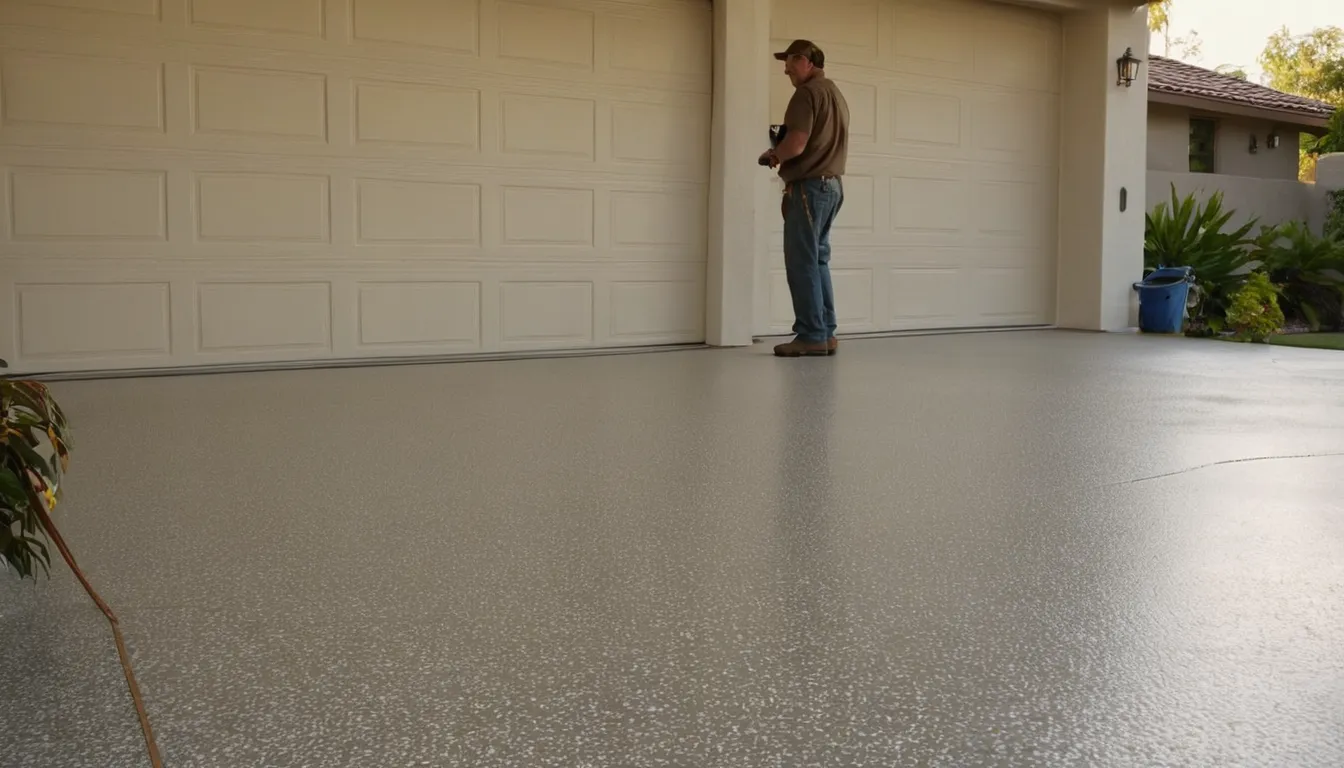
Polyaspartic is a hard floor coating made for garages and other concrete slabs. It cures faster than most epoxy, so you may get your garage back sooner. It resists UV light, hot tires, and oil. That makes it a good fit for sunny driveways and open garage doors.
Goldenyards Floor Coating does not apply coatings. We connect homeowners in Pacifica, CA with independent providers in our network. Polyaspartic is not a DIY product. It sets quickly and mistakes show. Still, you can help with the prep work and the care afterward. This page shows where to help and where to step back.
The Short Answer
Polyaspartic is a strong choice if you want a tough floor and less downtime. It is not a weekend DIY job. A local provider should apply it. You can still do real work before and after.
Read on to see where your line sits.
Why DIY Usually Goes Wrong
Polyaspartic sets fast. That is its selling point. It is also the problem for a first-timer.
Once mixed, the coat has a short working window. Pros move in a set rhythm with the right tools. A beginner often runs out of time halfway across the slab. Lap lines, streaks, and bubbles follow.
The floor also needs a ground surface, not just a scrub. Pro grinders and dust-control vacuums do that. Rental gear is heavy and hard to run well.
What You Can Safely Do Yourself
Plenty. Start with these:
- Empty the garage. Move bikes, shelves, tools, and boxes.
- Sweep and vacuum loose dirt.
- Spot-treat oil with a degreaser and rinse well.
- Tape a square of plastic to the slab overnight. Damp underneath? Tell the provider.
- Take photos of cracks, pits, and old coatings.
- Clear a path for the crew and the equipment.
Leave grinding, crack repair, and mixing to the pros. That is your line.
How Polyaspartic Differs From Epoxy
Epoxy is thick and slow to cure. It bonds well and builds body. It can turn yellow in strong sun over time.
Polyaspartic is thinner and cures quickly. It handles UV light better and stays clear. It also tolerates cooler temperatures during application than many epoxies.
The tradeoff is the working time. Polyaspartic gives the installer less room for error. That is why skill matters more.
Neither one fixes a bad slab. Both depend on prep.
Full Polyaspartic or Hybrid System?
You have two common setups.
A hybrid system uses an epoxy base and a polyaspartic top coat. The epoxy builds thickness and grips the concrete. The polyaspartic adds UV and scratch resistance. Many garages use this.
A full polyaspartic system uses polyaspartic in every layer. It cures faster overall. It often costs more per square foot.
Which is right? It depends on your slab, your budget, and how much sun hits the floor. Ask providers to explain their pick in plain words.
Prep Decides Everything
The coat is only as good as the surface under it. A provider will usually grind the slab to open the pores. They fill cracks and joints. They clean off dust and oil.
Skip this and the coat can peel. That is true for any coating.
Older slabs on 1950s to 1980s homes often have patched cracks and old stains. Raised foundations may have different moisture than slabs on grade. A good provider checks both before quoting.
How the Job Goes
The order is simple, and each step is short.
- The provider inspects the floor and tests for moisture.
- Crews grind the concrete and repair damage.
- A base coat goes down.
- Flakes are broadcast if you picked a flake finish.
- A clear top coat seals it.
Many polyaspartic jobs finish faster than epoxy jobs. Ask each provider for their own timeline and when you can walk and drive on it.
Where Polyaspartic Works Well
Garages are the big one. Sun through an open door will not wear it down as quickly as some other coatings.
It also suits:
- Patios and covered porches
- Workshops and utility rooms
- Basement floors with a dry slab
- Entry steps and walkways, with a grip additive
Ask about slip resistance for any wet area.
Weather and Timing
Polyaspartic reacts to heat and humidity. A hot slab can make it set too fast. A damp slab can cause trouble underneath.
Long dry seasons help. Winter rain events do not. Wind-blown ash during smoke season can land on a wet coat, so providers may wait for clearer air or close the garage. Mild coastal weather is gentle on application, but morning moisture still matters.
Plan the job for a stretch of steady weather. Ask the provider how they handle a change.
Choosing Colors and Flake Blends
This is the fun part. Pick a solid color for a clean, simple look. Pick a flake blend to hide dirt and small flaws.
Tips:
- Mid-tone grays and tans hide dust well.
- Dark floors show dust and footprints.
- Light floors brighten a dim garage but show tire marks.
- Full flake coverage hides more than a light scatter.
Look at a sample in your own garage light before you decide. Custom floor finishes are possible, so ask what a provider offers.
Coat It, Then Care
A new floor still needs simple habits. They take little time.
- Sweep or dust-mop weekly.
- Rinse with water and a mild cleaner. Skip harsh solvents.
- Wipe spills when you see them.
- Use a soft mop or deck brush, not a wire brush.
- Put mats under a car that drips.
- Lift heavy items. Do not drag them.
Some cleaning products can dull the finish. Ask the provider what they suggest for your coat.
Questions to Ask the Installer
Bring this list to every estimate.
- Is the system full polyaspartic or hybrid?
- How will you prep the slab?
- How do you test for moisture?
- What happens if the weather turns?
- When can I walk and drive on it?
- What is covered in the written warranty, if any?
- How should I clean it?
Get answers in writing. Compare at least two quotes.
Know Your Line
You clear, clean, and care. The provider grinds, repairs, mixes, and coats. That split gets you a better floor.
Request a callback to check provider availability, or use the form to request an estimate. There is no obligation.
What's Included
Surface Grinding
Providers grind the slab to open the concrete so the coat can grip it.
Crack and Joint Repair
Cracks and pits are filled and leveled before any coating goes onto the floor.
Base and Flake Layers
A color base coat goes down, with decorative flakes added if you choose them.
Clear Top Coat
A polyaspartic seal coat adds shine and resists UV light, scuffs, and spills.
Typical Polyaspartic Floor Cost Ranges
Prices vary by slab size, condition, and system type. These are typical U.S. ranges, not quotes. Get a written estimate from each provider so you can compare the scope and not only the total.
| Item | Typical range | Notes |
|---|---|---|
| Two-car garage, full polyaspartic | $3,500 – $8,000 | Often priced higher than hybrid systems |
| Two-car garage, hybrid system | $2,500 – $6,000 | Epoxy base with polyaspartic top coat |
| Diamond grinding and prep | $1 – $3 per sq ft | Usually part of the total quote |
| Crack and joint repair | $150 – $800 | Depends on how many and how wide |
| Decorative flake upgrade | $1 – $3 per sq ft | Full coverage costs more than a light scatter |
| Old coating removal | $2 – $5 per sq ft | Needed if the old coat is peeling |
How It Works
Tell Us About Your Floor
Share your slab size, current condition, and what you want from a new coating.
Get Matched With Providers
A local provider in our network reaches out to talk through your project.
Compare Written Estimates
Check the system type, prep plan, and timeline in each quote you receive.
Prep, Coat, and Care
The provider does the work. You follow simple care steps afterward.
Why Call Goldenyards Floor Coating
Independent Local Providers
Providers in our network apply the coating. Goldenyards Floor Coating only connects you with them.
Plain Guidance
We tell you what you can do and what needs pro tools.
No Obligation
Request an estimate and compare. You decide whether to move forward.
Care After
We share simple upkeep tips so your new floor lasts.
Other Services
Need polyaspartic floor coating in Pacifica?
Request a callback to check provider availability, or send the request form for an estimate. No obligation.
No obligationPolyaspartic Floor Coating FAQ
Is polyaspartic better than epoxy for a garage floor?
It depends on your goals. Polyaspartic cures faster and resists UV light better, which helps in sunny garages. Epoxy often costs less and builds thickness well. Many providers combine them in a hybrid system. Ask for a written comparison.
Can I apply polyaspartic coating myself?
It is not a good DIY job. The coat sets fast and leaves little room for error. You can clear the garage and clean the floor, but let a provider grind and coat.
How long does a polyaspartic garage floor take to cure?
Many cure faster than epoxy, but timing varies by product, weather, and system. Ask your provider when you can walk on it and when you can park on it.
Tell us what happened
Request a callback to check provider availability, or send the request form for an estimate. No obligation.
No obligation